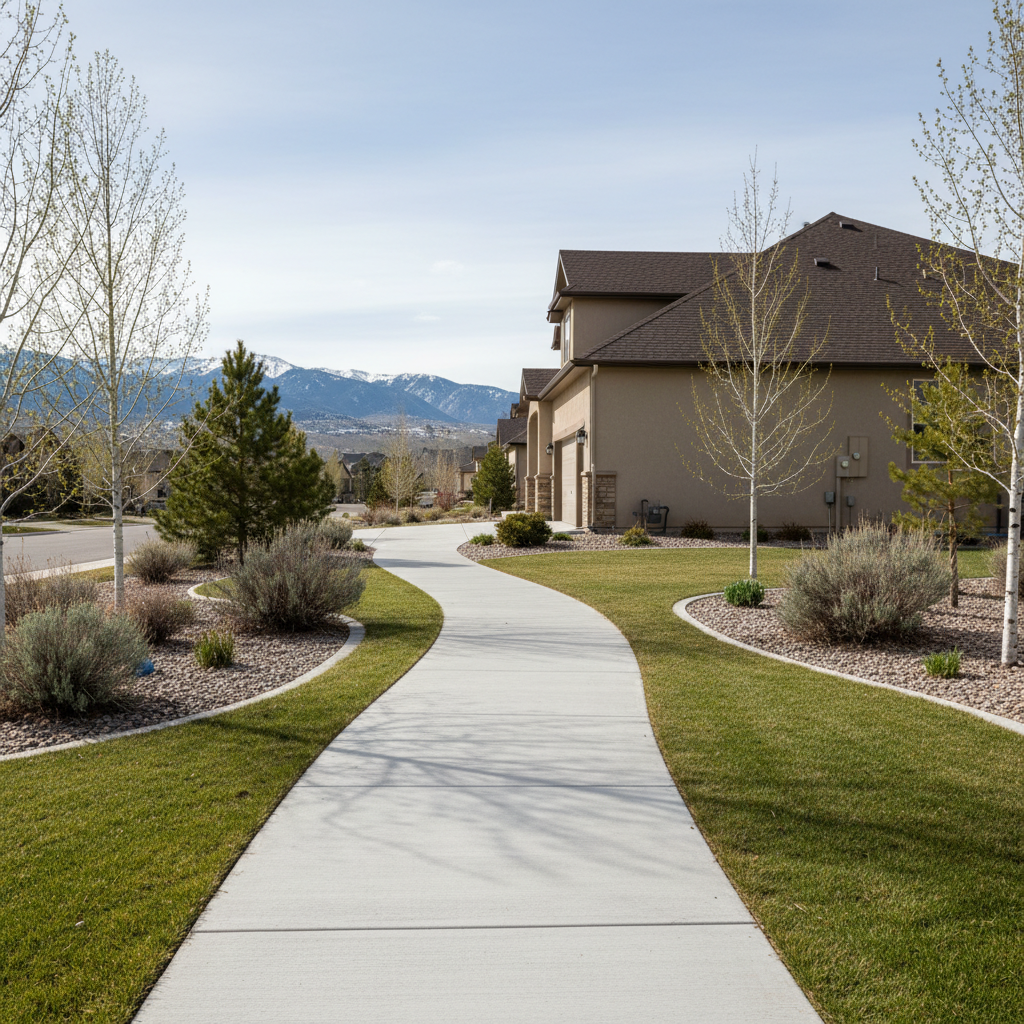
Your concrete sidewalks really take a beating, especially here in Millcreek. We get scorching summers, then freezing winters, and everything in between. That constant freeze-thaw cycle, plus all the de-icing salts many folks use, can seriously chew up concrete if you're not careful. But you don't have to just sit back and watch it crumble. A little proactive care, you know, goes a long way.
Make Your Sidewalk Last Longer
The biggest thing you can do to make your concrete last is to protect it from water and chemicals. Think of it like sunscreen for your skin. Here's what I suggest:
- Seal it Up: If your sidewalk is new, or even if it's a few years old but still looks good, get it sealed. A good quality penetrating sealer will push away water and make it much harder for de-icing salts, oil, and other stains to soak in. You'll want to put on a new coat every 2-5 years, depending on the sealer and how much foot traffic it gets. It's an investment, sure, but one that really pays off.
- Drainage Matters: Water is concrete's worst enemy. Make sure your downspouts aren't just dumping directly onto your sidewalk. Check that the ground around your concrete slopes away from it, not toward it. Standing water will seep in, freeze, and expand, causing cracks and that annoying flaking.
- Avoid Harsh Chemicals: I know it's tempting to throw rock salt down when things get icy, but many de-icers contain chemicals that are super hard on concrete. Look for products that are concrete-safe; they're often labeled as magnesium chloride or calcium magnesium acetate. Sand is always a good, non-damaging choice for traction, too.
Simple Steps for Regular Maintenance
Keeping your sidewalks clean isn't just about looking good; it's about stopping long-term damage.
- Sweep Regularly: Get rid of dirt, leaves, and other junk. This stops organic stuff from breaking down and staining the surface. It also keeps water from pooling in spots where debris has piled up.
- Wash it Down: A good rinse with a garden hose and a stiff brush a couple of times a year can do wonders. For tougher stains, a mild detergent and some scrubbing usually work. Just steer clear of high-pressure washers set too strong, as they can actually etch the surface or even strip off your sealer.
- Address Stains Quickly: Oil, grease, rust, or even spilled paint can sink into concrete if you leave it too long. The sooner you clean it, the better your chances of getting it all out. There are specific concrete cleaners for different types of stains; just make sure to follow their instructions.
Warning Signs: What to Keep an Eye Out For
Your concrete will practically tell you when it's having problems. You just need to know how to read the signs, right?
- Cracks: Small hairline cracks are often normal, especially with our expansive clay soils around places like Olympus Cove. But if you see cracks getting wider, growing fast, or if they're more than a quarter-inch wide, that's a big red flag. Cracks let water get in and speed up the damage.
- Spalling or Flaking: This happens when the surface of the concrete starts to peel, flake, or pit. It's usually a sign of freeze-thaw damage, often made worse by de-icing salts. Once it starts, it's pretty tough to stop without repair.
- Uneven Slabs: If one section of your sidewalk is higher or lower than the one next to it, that's a trip hazard and could point to issues with the ground underneath. It might be due to tree roots, settling soil, or even water washing away the material below.
- Discoloration or Stains: Beyond just surface dirt, persistent dark or light patches could mean moisture problems underneath or chemical reactions happening within the concrete itself.
When to Call a Professional
Sometimes, doing it yourself just won't cut it. That's where we come in. You should definitely give Kingdom Concrete Millcreek a call if you notice:
- Significant Cracking: If cracks are wide, deep, or running through several slabs, a professional can figure out if it's just a surface thing or something deeper. We can often fill and seal these to stop more damage, or suggest replacing them if needed.
- Major Spalling: A lot of flaking means the surface isn't strong anymore. While you can sometimes patch small areas, big sections usually need more serious repair or replacement to be safe and look good.
- Uneven Slabs or Trip Hazards: This isn't just about looks; it's a liability. We can often level these sections using methods like mudjacking or concrete lifting, which is a lot less invasive than tearing everything out and replacing it. If the problem is really bad, replacement might be the best bet.
- Drainage Issues: If you've got standing water or constant moisture problems around your concrete, we can help find the root cause and recommend solutions, whether that's regrading, putting in drainage, or adjusting your concrete.
- You're Just Not Sure: If you're looking at your sidewalk and thinking, "Hmm, what's going on here?" — that's a good time to call us. We can come out, take a look, and give you an honest assessment.